Cross-Functional AI Workflows: Unifying Marketing and Ops in 2026
By mid-2026, the novelty of standalone AI tools has completely faded. Founders and business owners no longer ask if they should use AI; they ask how to make their various AI systems talk to one another. The most significant growth bottleneck in the current market is no longer a lack of content or slow support response times, but rather the friction between siloed departments. When your marketing AI generates leads that your sales AI cannot categorize, or your support AI identifies a recurring product flaw that never reaches your operations team, you are leaving substantial revenue on the table.
The Shift from Point Solutions to Integrated AI Ecosystems
In previous years, businesses focused on implementing point solutions: an AI chatbot for the website, an AI writer for the blog, and perhaps an automated tool for scheduling. In 2026, this fragmented approach is being replaced by unified AI ecosystems. The goal is to create a cross-functional flow where data gathered at the top of the funnel automatically informs decisions at the bottom. For example, a modern growth stack ensures that the sentiment analysis from a marketing campaign directly adjusts the priority of incoming support tickets for those specific customers.
At vonmal, we have seen that the fastest-growing companies in 2026 are those that treat AI as the connective tissue of their organization. By building custom agents that bridge the gap between platforms like your CRM, helpdesk, and marketing automation suite, you eliminate the manual data entry that traditionally slows down scaling efforts.
Marketing and Sales: Driving Growth via Lead Intelligence
Marketing automation in 2026 has evolved beyond simple email sequences. Today, high-growth companies use AI to perform real-time lead intelligence. When a prospect interacts with an ad or a whitepaper, AI agents analyze their specific pain points and automatically update the sales pipeline with a personalized strategy. This isn't just about sending a follow-up; it is about the AI understanding the context of the interaction to provide a warm hand-off to the sales or operations team.
- ▹Dynamic Lead Scoring: AI evaluates the quality of engagement across multiple channels to prioritize high-value targets instantly.
- ▹Hyper-Personalized Sales Enablement: Automatically generating custom pitch decks or product demos based on the user's specific web behavior.
- ▹Automated Funnel Optimization: Using real-time conversion data to reallocate marketing spend across channels without human intervention.
Closing the Loop: Connecting Support to Operations
One of the most overlooked opportunities for business growth in 2026 is the integration of customer support and operations. Traditionally, support is seen as a cost center. However, when support AI is linked directly to operational workflows, it becomes a primary driver of product improvement and customer retention. If an AI support agent detects a spike in queries regarding a specific shipping delay or software bug, it should trigger an automated alert to the operations team or even initiate a corrective workflow in the backend system.
This level of automation ensures that the business reacts to market signals in minutes rather than weeks. When vonmal builds these custom integrations, the focus is on reducing the time between identifying a problem and implementing a solution. This agility is the core competitive advantage for lean teams in 2026.
The Operational AI Flywheel: A Blueprint for 2026
Building an AI-driven growth engine requires a shift in mindset from task automation to process orchestration. To implement a cross-functional flywheel, founders should follow a structured approach to integration.
- ▹Identify Data Silos: Map out where your customer data is trapped and which departments are currently operating in isolation.
- ▹Deploy Intermediary Agents: Use AI agents that can read from one API and write to another, acting as an automated liaison between marketing and ops.
- ▹Monitor the Feedback Loop: Ensure that insights from support and operations are fed back into the marketing AI to refine messaging and targeting.
- ▹Iterate on Performance: Use automated reporting to track how these integrations impact your bottom line and customer lifetime value.
Growth in 2026 is not about how many AI tools you use, but how effectively those tools communicate to remove human intervention from repetitive decision-making cycles.
Measuring ROI in a Unified AI Environment
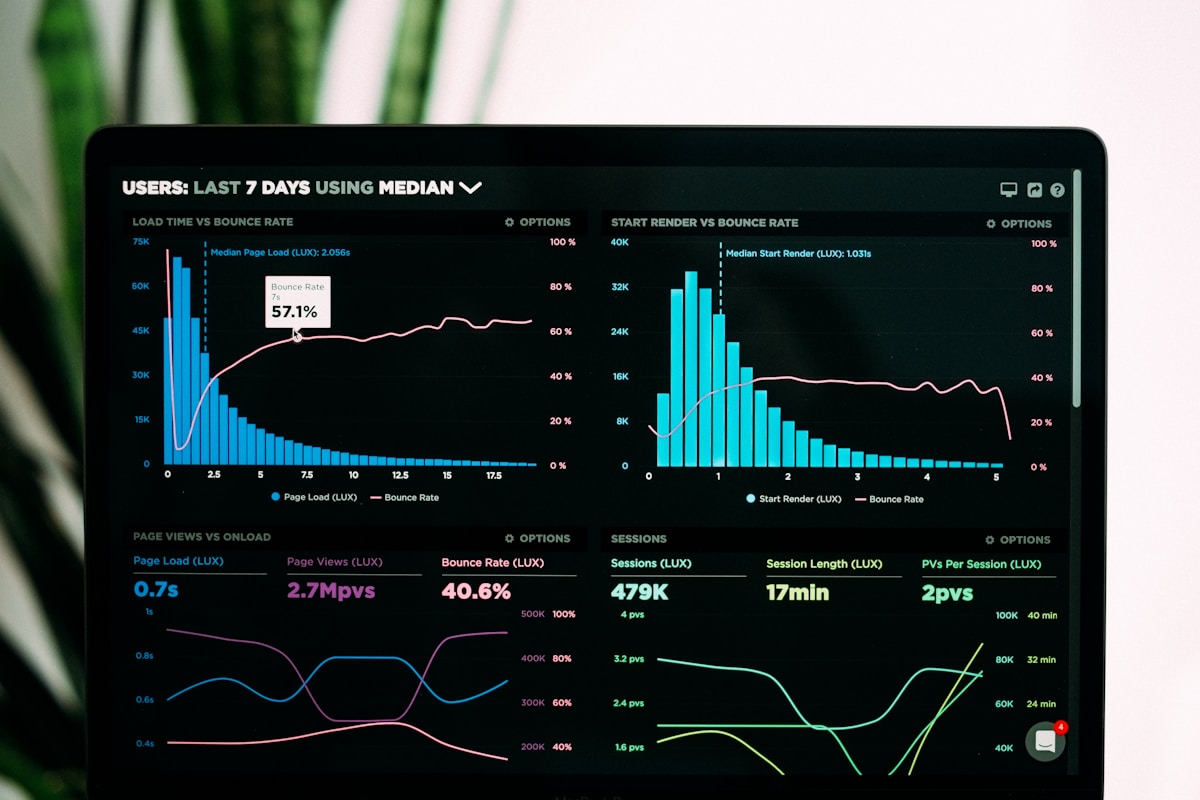
The return on investment for cross-functional AI is significantly higher than that of siloed automation. While a single AI tool might save a few hours of manual work per week, a unified system can reduce the entire customer acquisition cost and increase retention rates by ensuring a seamless user journey. In 2026, the metric that matters most is 'velocity of information'—how fast data moves from a customer interaction to an operational outcome.
By focusing on marketing, support, and operations as a single interconnected unit, you allow your business to scale without a linear increase in headcount. This lean, utility-first approach is exactly what allows modern startups to compete with established enterprises. If your current systems are still operating in silos, now is the time to audit your workflows and build the integrated infrastructure required for the next phase of your company's growth.

